
How Often Does a Septic Tank Need Cleaning?
The honest answer is a range, not a date on the calendar. Tank size and household size drive the 3 to 5 year window most homeowners fall into. A bigger household puts more solids through the system every week, so the tank fills faster and needs septic pumping service sooner than a smaller one with the same tank. Two people in a house with a properly sized tank might stretch past 5 years. Six people in that same house won't, and if a backup does happen, emergency septic service covers the same-day version of this problem.
Greenville homes vary a lot in age, and older tanks were sometimes undersized for what gets built on the lot later, an addition, a rental unit, a pool house. If nobody's pumped the tank in longer than 5 years and nobody remembers the last service, that's the signal to call, not wait, the same way a construction crew leans on construction site services instead of guessing at their sanitation needs. Septic tank cleaning resets the clock and gives you a real baseline to plan the next one from. Waiting until there's a backup costs more than a scheduled pump ever does, and it usually happens on a weekend when nobody wants to deal with it, much like a porta potty rental checklist helps event planners avoid the same kind of last-minute scramble.
What Determines Septic Tank Cleaning Frequency?
Three things move the number: tank size, household size, and what goes down the drains. A grease-heavy kitchen, a garbage disposal running daily, or a laundry room doing loads for a big family all speed up how fast solids build. None of that is unique to Greenville, but it's worth checking your own habits against the general 3 to 5 year rule instead of assuming it applies evenly, the same way anyone renting a portable restroom rental unit checks their actual headcount instead of guessing.
If your property runs a restaurant or event kitchen instead of a household, the math changes completely. Fats, oils and grease build differently in a commercial interceptor, and that gets pumped once solids and grease reach 25 percent of the liquid depth, not on a fixed calendar. That's a separate service from residential septic work; see grease trap pumping for that side of it, distinct again from what a porta john rental needs on a job site. Homes running a well and older drain field infrastructure, common outside the Greenville core, should treat every 3 years as the safer end of the range rather than the exception, the kind of detail worth confirming through contact if you're unsure.
| Household size | Tank pumping interval |
|---|---|
| 1-2 people | Closer to 5 years |
| 3-4 people | Middle of the 3-5 year range |
| 5+ people, disposal use | Closer to 3 years |
Why Does Pumping Frequency Matter?
Skip it too long and solids build past the point the tank can settle them properly, pushing waste into the drain field where it doesn't belong. That damage is expensive and sometimes permanent, unlike a pump-out. Getting ahead of it with a scheduled visit is the cheaper problem to have, every time, the same logic behind booking a porta potty rental before a project starts instead of after it stalls.
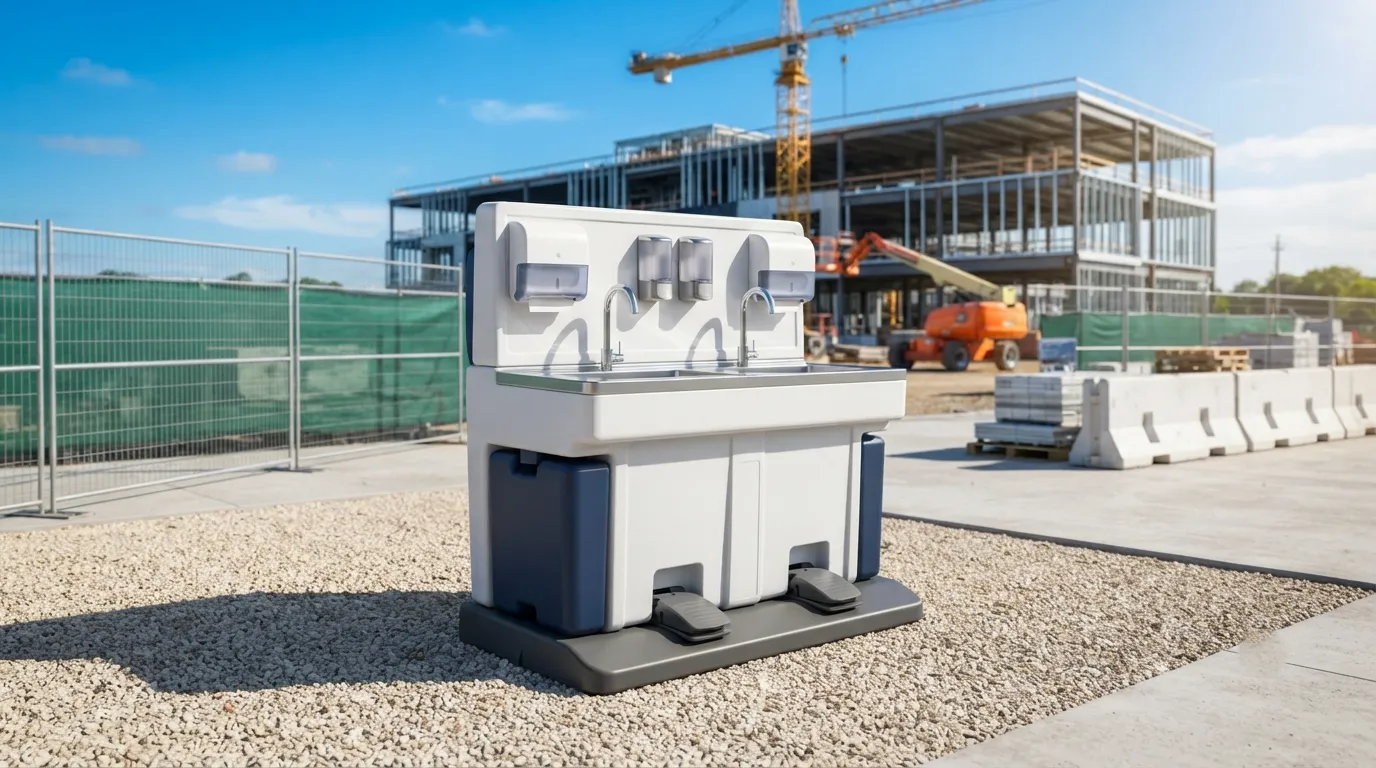
It also matters for anyone dealing with a septic system on rental property, a farm, or a job site trailer instead of a house. Construction sites and events around Greenville often run on temporary systems instead of a fixed septic tank, and those follow a different service rhythm entirely, closer to what you'll find on portable toilet rental or holding tank rental pages. A standard porta potty rental unit carries a 60 to 70 gallon holding tank, a fraction of a residential septic tank, and gets serviced on a weekly baseline under ANSI/PSAI Z4.3 for normal use levels, not the multi-year cycle a buried tank runs on. Don't confuse the two when you're budgeting service calls.
When Should You Call for Septic Service?
Don't wait for slow drains or a bad smell in the yard. Those are late signs, not early ones, similar to how porta potty placement guide recommends planning ahead of visible problems on a site. If it's been close to 5 years, or you're not sure when the last pump happened, septic tank pumping cost is worth checking now so you're not paying emergency rates later. Homes in City View, about 5.5 miles northwest of Greenville, and out toward Mauldin, roughly 6.9 miles southeast, run the same well-and-septic setups common on older lots, and the same 3 to 5 year logic applies regardless of which side of town you're on.
Watch for septic tank warning signs between scheduled pumps too: slow drains across multiple fixtures at once, standing water near the tank, or a sewage smell outdoors. Any of those means don't wait for the calendar. Greenville Porta Pros also runs emergency septic service for exactly that situation, when a system backs up outside the normal schedule and it needs attention the same day, not next week, and the FAQ page covers more of these edge cases if you want to read ahead.
How much does septic tank pumping cost in Greenville?
A septic pump-out generally runs in the 150 to 300 dollar range for a standard day visit, with weekend service priced separately and typically lower for a shorter call. Exact pricing depends on tank size and access. See septic tank pumping cost for a fuller breakdown.
Can I pump my own septic tank?
No. Septic pumping requires a vacuum truck and proper disposal, not equipment a homeowner owns. Attempting it risks damage to the tank and improper waste handling. Call a licensed service instead of trying a DIY approach.
Does a garbage disposal affect pumping frequency?
Yes. A disposal sends more solids into the tank than a household without one, which fills the tank faster and shortens the interval toward the 3 year end of the range instead of the 5 year end.
Is a 1,000 gallon tank pumped on the same schedule as a smaller one?
Not necessarily. A 1,000 gallon tank serving a small household can go longer between pumps than a smaller tank serving a large one. Size and usage both matter, not size alone.
What happens if I skip a scheduled pumping?
Solids build past the tank's capacity to settle them, pushing waste into the drain field. That can cause permanent drain field damage, which costs far more to fix than routine septic tank cleaning ever does.

Next step
Get a delivery date
Tell us the address, the dates and the headcount. We size the order and confirm the route.