
What does OSHA require for handwashing on a job site?
The rule that gets misquoted most is 1926.51(f)(1). It only kicks in where crews are applying paints, coatings, herbicides or insecticides, or working around similar contaminants. It is not a blanket handwashing mandate for every construction site in Greenville. Separately, 29 CFR 1910.141(d)(2) says washing facilities need actual soap and towels or a hand-drying device, not just a bottle of sanitizer clipped to a fence post. If your crew is pouring concrete only, that rule set does not apply the same way it does to a painting crew redoing a Greenville storefront. Pair your handwashing station rental with your toilet count and you cover both angles without guessing. General toilet requirements fall under OSHA 1926.51(c), which sets ratios by headcount rather than by task, so the two rules solve different problems and both matter on a mixed-trade site.
How many handwashing stations does a Greenville site need?
There's no fixed unit-per-worker number in the OSHA text itself for handwashing stations the way there is for toilets. Toilet counts follow 1926.51(c): one facility for 20 workers or fewer, then a step up to one toilet seat and one urinal per 40 workers as crews grow past that, and a further step at 200 workers or more. Handwashing gets matched to that same headcount logic in practice. A 12-person framing crew near Greenville rarely needs more than one or two stations. A 60-person site with painters, roofers and a pesticide-treated foundation crew needs several, split by trade zone. Our portable sink rental options scale the same way our porta john rental counts do, so you're not guessing twice. If you're still sizing the whole site, our how many porta potties do I need guide walks the math the same way.
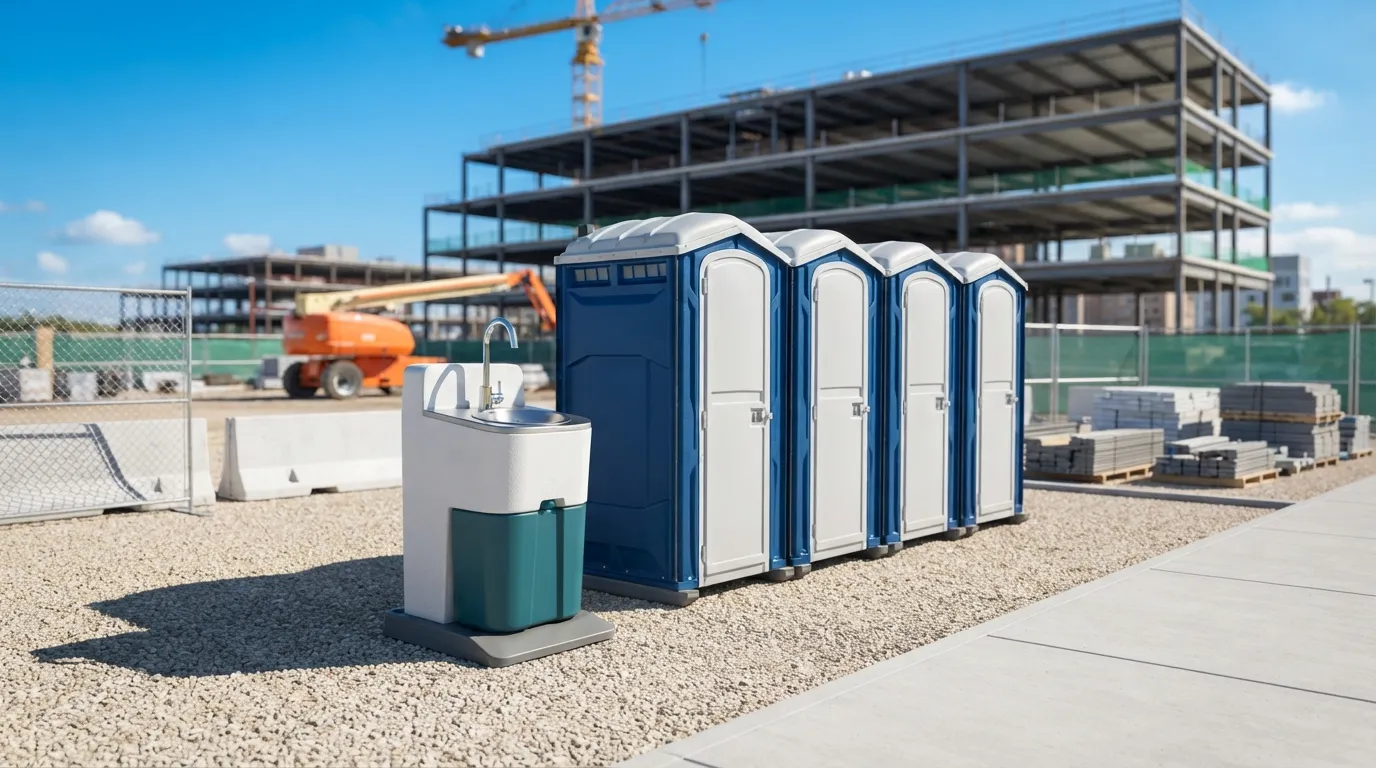
Where should handwashing stations go on site?
Put them next to the toilets and next to the break area, not tucked behind a dumpster where nobody walks. ANSI/PSAI Z4.3 sets a baseline service interval of once a week for up to 10 users over a 40-hour week, and that baseline assumes the unit actually gets used, which means placement matters as much as count. A station stuck 200 feet from the work zone gets ignored. Keep clearance in mind too: if you're staging a roll-off dumpster rental nearby, that truck needs about 60 feet of straight clearance behind it, so plan your layout before delivery day, not after. For sites near Simpsonville, 14.0 miles southeast of Greenville, or Easley, 14.3 miles west, we still run the same placement logic, just with a longer drive for our trucks. Pair stations with your temporary fence rental line so wash areas stay inside the secured zone, not outside it where anyone off the street can walk up.
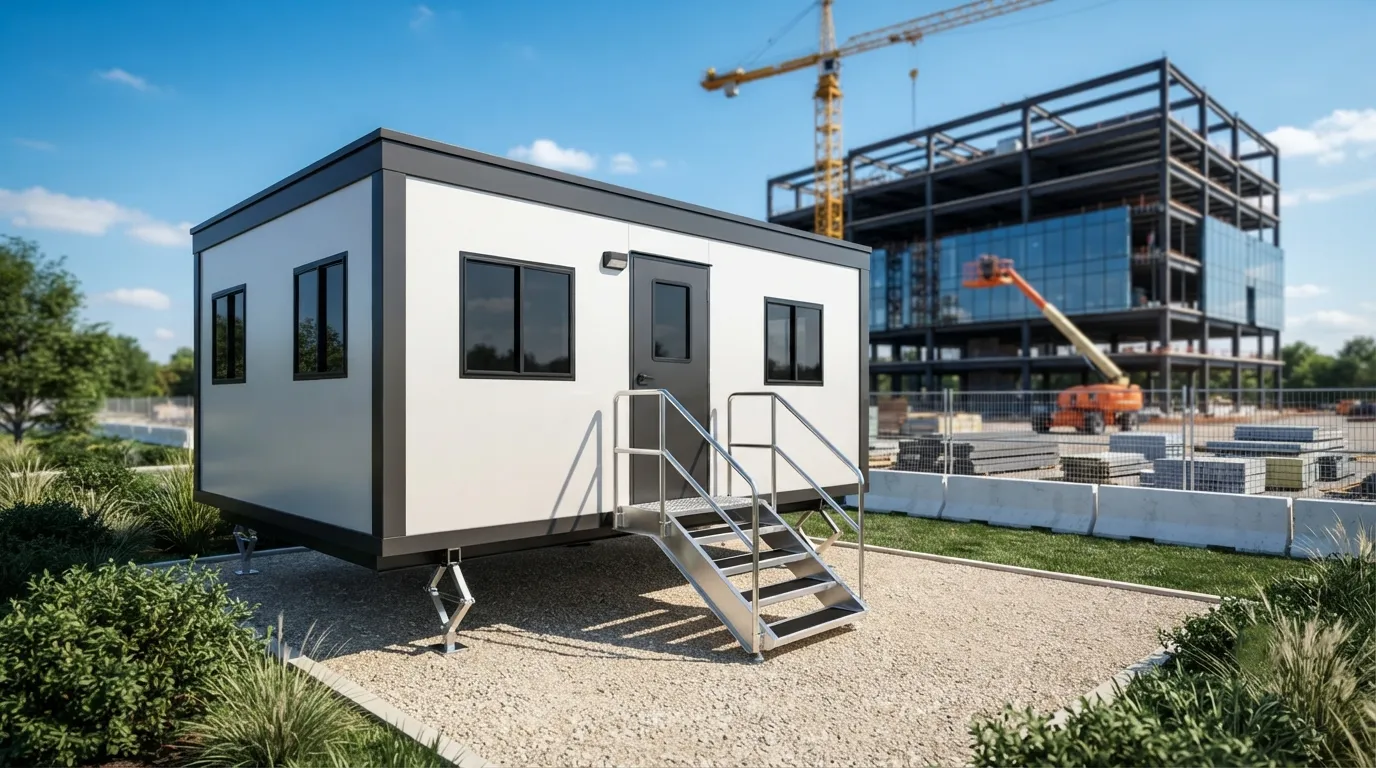
Do agricultural or event sites have different handwashing rules?
Yes, agriculture runs on a separate standard. OSHA 1928.110 covers field sanitation for hand-labor crews and calls for potable water, toilets and handwashing at one facility per 20 employees, reachable within a quarter-mile walk. That's a tighter walking distance than most construction sites plan for, so farm operations near Greenville need to think about station spacing differently than a downtown build-out does. Event sites follow a different logic again: a wedding at a Greenville venue or a festival crowd doesn't have "employees" in the OSHA sense, but organizers still want stations near food service and near the event restroom rental cluster, both for guest comfort and for basic food-safety sense. If your event includes a working kitchen tent, look at grease trap pumping too, since grease interceptors get pumped once fats, oils, grease and solids hit 25 percent of the liquid depth, and a busy event kitchen hits that faster than people expect.
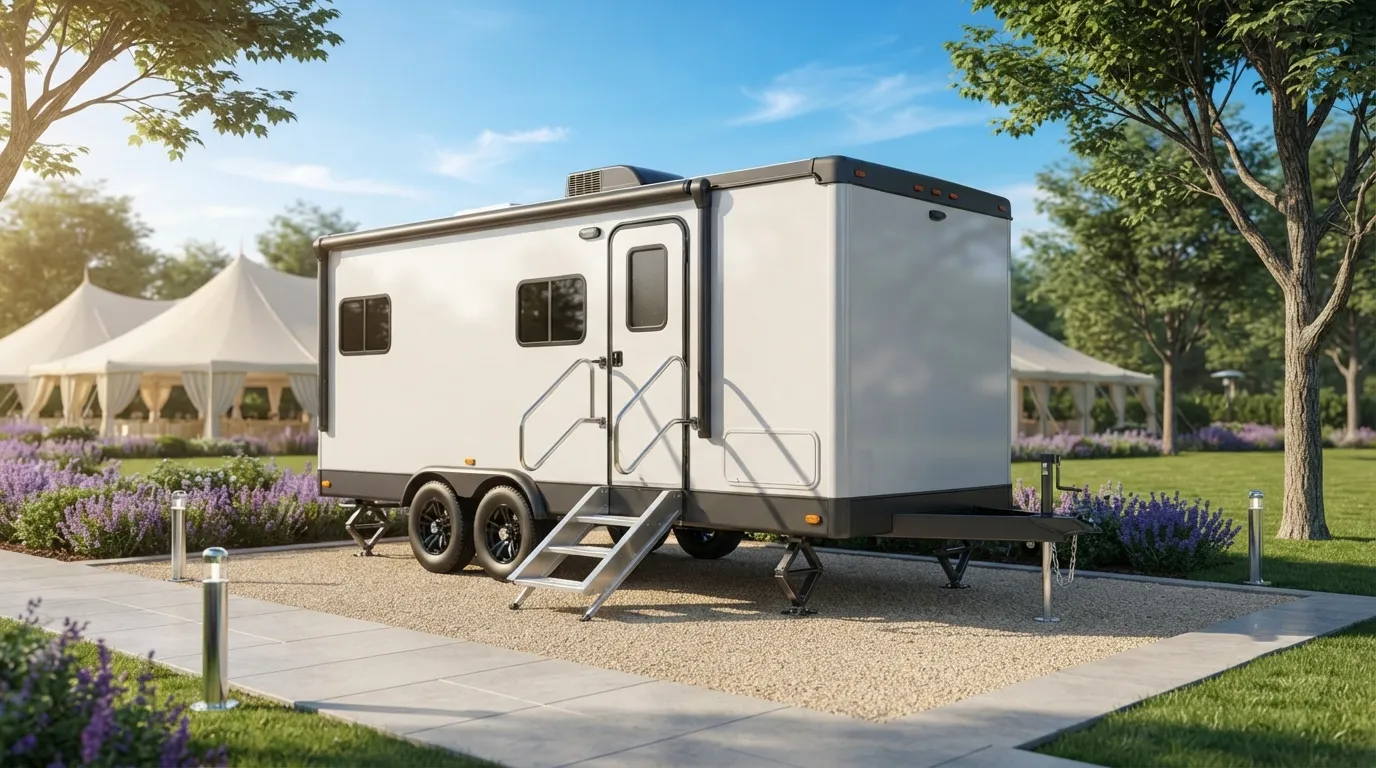
Table: what a Greenville site typically pairs together
| Site type | Toilet reference | Handwash reference | Common add-on |
|---|---|---|---|
| Construction, general | OSHA 1926.51(c) | 29 CFR 1910.141(d)(2) | construction dumpster rental |
| Painting or pesticide crew | OSHA 1926.51(c) | OSHA 1926.51(f)(1) | temporary power pole |
| Farm or agricultural labor | OSHA 1928.110 | OSHA 1928.110 | farm and agricultural restrooms |
| Event or festival | ADA Standards 213.2 | site-specific | festival restroom rental |
Every cluster above works better with a matched portable restroom rental plan so water supply, waste, and handwashing all show up on the same truck run. If your crew is doing home-scale work, our home renovation porta potty page covers smaller setups. For full ADA-compliant layouts with a 60-inch turning circle per ADA Standards 304.3.1, see our ADA accessible porta potty page.
Do I need soap or is hand sanitizer enough?
Soap and towels, not sanitizer alone. 29 CFR 1910.141(d)(2) specifically requires soap with towels or a hand-drying device. A sanitizer-only station technically doesn't satisfy that rule, even though it's common on smaller Greenville sites. Ask about our hand sanitizer station rental as a supplement, not a replacement.
Can I rent just a handwashing station without toilets?
Yes. Some Greenville sites already have restroom access and just need wash stations for a painting crew or a food booth. We deliver them standalone, same truck route we use for porta potty rental in Greenville.
What is the difference between 1926.51(f)(1) and general handwashing?
1926.51(f)(1) only applies where paints, coatings, herbicides or insecticides are in use. General sanitation and soap requirements fall under 29 CFR 1910.141(c)(1)(i) and (d)(2) for non-construction workplaces, and under 1926.51(c) for toilet counts on construction sites.
Do event venues need handwashing stations near food?
Yes, that's standard practice, even without a specific OSHA citation for public events. Pair stations with your wedding restroom rental or concert restroom rental order so guests near food tents have wash access close by.
How far can a handwashing station be from the work area?
Agricultural sites under OSHA 1928.110 cap it at a quarter-mile walk. Construction sites don't have that exact figure in the OSHA text, but keeping stations within the same zone as your standard porta potty rental units keeps use rates high and complaints low.
Next step
Get a delivery date
Tell us the address, the dates and the headcount. We size the order and confirm the route.