
How Many Porta Potties Do I Need for a Construction Site?
OSHA 1926.51(c) sets the jobsite baseline: 1 toilet for 20 workers or fewer, then 1 toilet seat and 1 urinal per 40 workers once you pass 20, and 1 seat and 1 urinal per 50 workers at 200 or more. A 15-person framing crew in Greenville needs exactly one unit under that table. A 60-person site sits in the 40-worker bracket, which usually pencils out to two or three units once you separate seats and urinals. Bigger commercial jobs benefit from a construction site services plan that schedules service around pour dates and inspections, not just headcount. If the crew is spread across a large lot, read the porta potty placement guide before you order, because walk distance matters as much as the ratio. Most contractors start with standard porta potty rental units and add an ADA accessible porta potty when the crew includes a worker who needs one. For full compliance detail, the OSHA portable toilet requirements page walks through the bracket math worker by worker.
How Many Porta Potties Do I Need for an Event?
Events don't run on an 8-hour shift, so the OSHA table doesn't apply the same way. A workable planning rule: one standard unit per 50 guests for a 4-hour event, then add units as hours climb. Here's a rough breakdown by headcount and duration:
| guests | 4 hours | 8 hours | alcohol served |
|---|---|---|---|
| 100 | 2 units | 3 units | 3-4 units |
| 250 | 5 units | 7 units | 8-9 units |
| 500 | 10 units | 13 units | 15-16 units |
A wedding of 150 guests running 6 hours with a bar open the whole time should land closer to 5 or 6 units, not the 3 you'd get from headcount alone. Add one unisex unit if your event mixes long lines at a single bank of restrooms, and always keep at least one ADA accessible porta potty per ADA Standards section 213.2, which requires 5 percent of clustered units to be accessible with a minimum of one. Check the event restroom rental page for setup timing, or go straight to wedding restroom rental or festival restroom rental if that's your event type.
Why Does Alcohol Change the Count?
Alcohol increases bathroom trips and slows down turnover at the door, since people linger, chat, and take longer per visit. A dry 4-hour event at 250 guests calls for about 5 units; the same event with an open bar climbs toward 8 or 9. Greenville caterers and bar services see this pattern constantly at outdoor receptions. Budget one extra unit per 75 guests once alcohol is served, on top of your base headcount ratio. Multi-day events compound the problem further: a 3-day festival needs daily servicing built into the quote, not a single drop-off. If your event runs past midnight or spans a weekend, a deluxe flushable porta potty or a small 2 stall restroom trailer handles higher traffic better than stacking more standard units in one spot.
What's a Worked Example for a Jobsite?
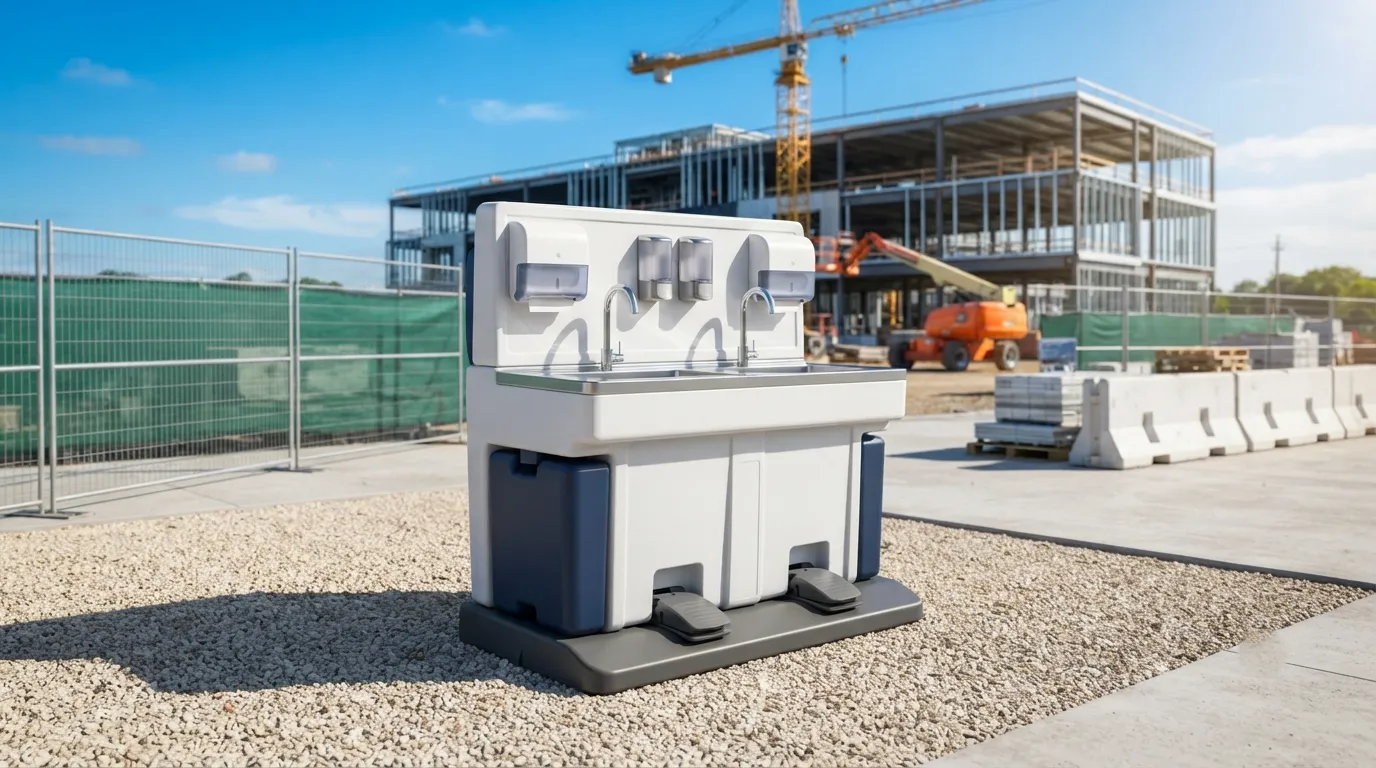
Take a 45-person renovation crew working a single Greenville address for 6 months. Under OSHA 1926.51(c), 45 workers falls into the 40-and-up bracket, meaning 1 toilet seat and 1 urinal per 40 workers. That's two units minimum, though most supervisors add a third for redundancy during servicing days. Pricing for a job that length usually runs on a monthly porta potty rental basis rather than day rate. A single standard unit rented monthly typically falls in the $125 to $325 range, so two units for six months is a meaningful line item worth planning into the budget early. If the crew handles paint, coatings, or solvents, OSHA 1926.51(f)(1) requires washing facilities for that specific work, separate from the toilet count, so a handwashing station rental needs to be part of the order too.
What's a Worked Example for an Event?
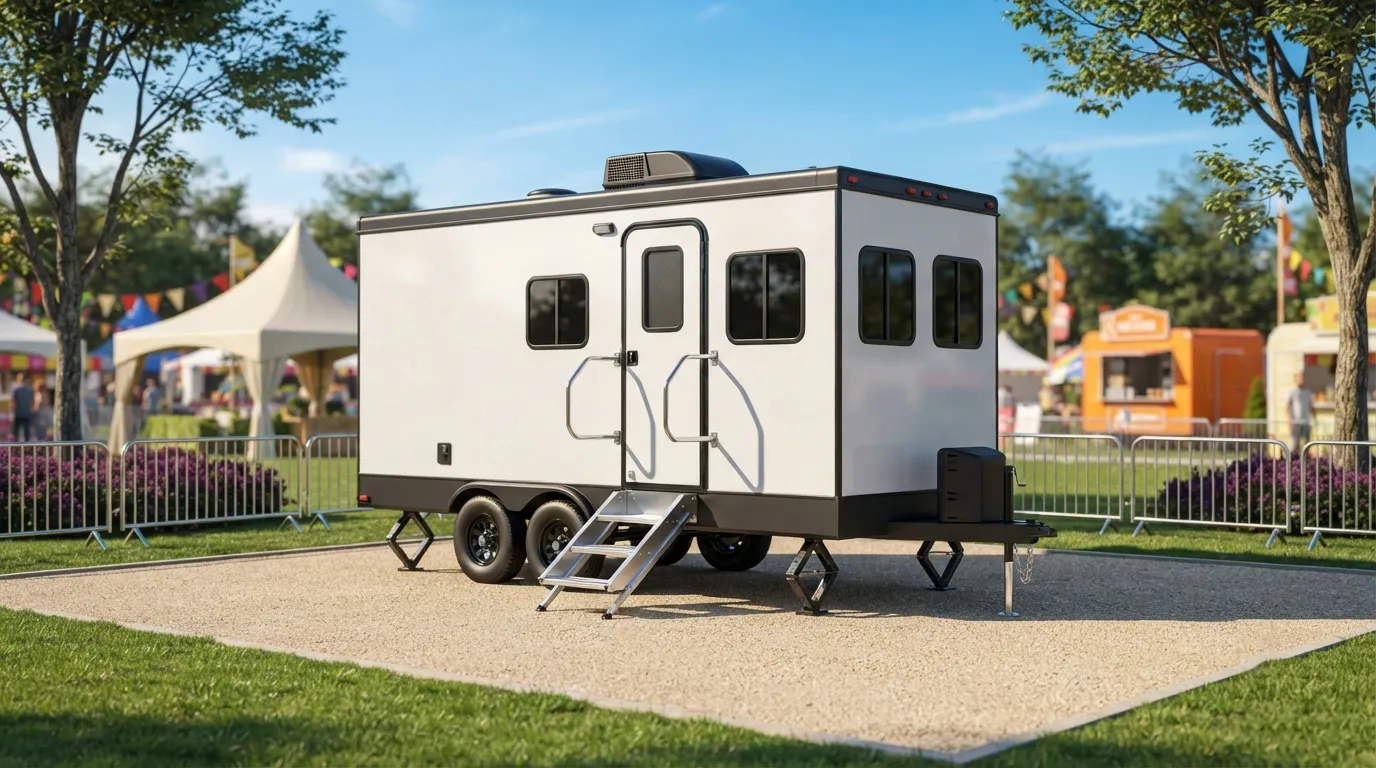
A 300-guest outdoor wedding near Greenville, running 5 hours with a full bar, is a good stress test. Base headcount math (one unit per 50 for 4 hours) suggests 6 units. Add an hour and factor in alcohol, and the realistic number climbs to 9 or 10, plus one ADA unit. At event-day pricing, a standard unit runs $200 to $800 depending on the vendor and add-ons, so a 10-unit order adds up fast. Couples wanting a nicer guest experience often upgrade some or all of that count to a luxury restroom trailer instead, which handles the same headcount in fewer stalls with running water. Either way, book early. Greenville venues fill weekends quickly during peak season, and Greenville Porta Pros needs lead time to deliver, especially if the site is 60 feet or more from a road for trailer access.
Do I Need More Units for a Multi-Day Event?
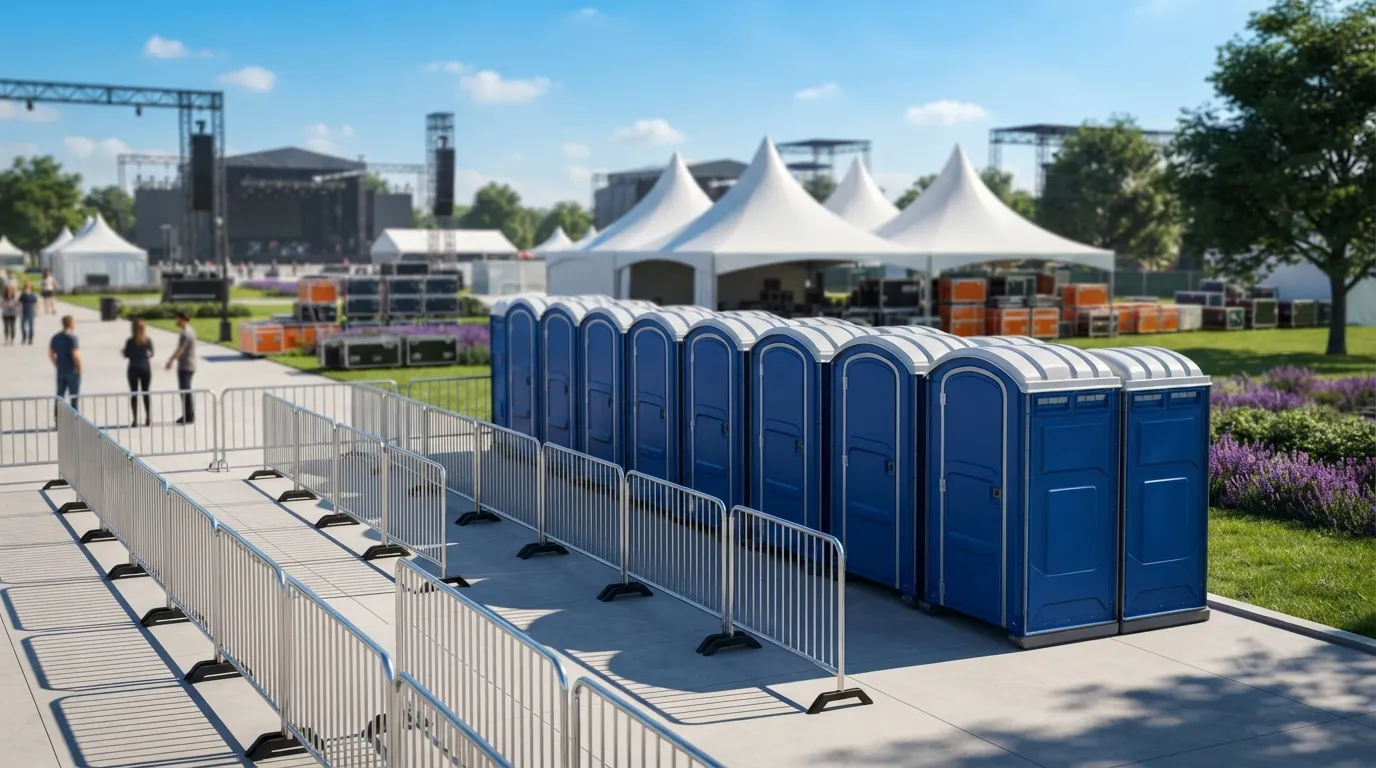
Yes. A 3-day county fair or race weekend needs daily servicing scheduled into the rental, not a one-time drop and pickup. ANSI/PSAI Z4.3 sets a baseline service interval of once per week for up to 10 users over a 40-hour week, which is far too infrequent for a busy multi-day public event. Realistically, high-traffic events need service every day, sometimes twice. Multi-day headcount math also shouldn't just multiply by days; heavy use on day one degrades tank capacity for day two if service isn't tightened up. A 60 to 70 gallon holding tank fills faster under sustained crowds than under a typical 8-hour jobsite shift. For marathons, look at marathon and race restrooms; for fairs, see county fair restrooms, both of which need service trucks routed through the site more than once.
How Do I Adjust for Farms, Film Sets, or Renovations?
Non-standard sites don't follow the office-headcount model. Agricultural operations fall under OSHA 1928.110, which requires potable water, toilets, and handwashing for hand-labor employees at one facility per 20 workers, reachable within a quarter mile walk, a distance rule that matters more on spread-out farmland around Greenville than any headcount table. Check farm and agricultural restrooms for that setup. Film sets tend to need fewer units but more privacy and cleanliness, since crews rotate through slower; see film set restroom rental. Homeowners doing a renovation with a 3 to 5 person crew usually need just one unit for the project length, covered under home renovation porta potty. None of these fit the office-park math, so match the use case to the right page before ordering.
How many porta potties do I need for 100 people?
For a 4-hour event, 2 standard units cover 100 guests comfortably. Push the event to 8 hours and that climbs to 3. Add alcohol and you're looking at 3 to 4 units, plus one ADA-accessible unit if guests are clustered in one area.
How many tons does a 30 yard dumpster hold?
Weight capacity depends on the material, not just the container size, so ask Greenville Porta Pros what's going in it. See 30 yard dumpster rental and dumpster weight limits for details specific to your debris type.
How many cubic feet are in a 10 yard dumpster?
A 10 yard dumpster holds 10 cubic yards, which converts to 270 cubic feet. That's a common size for small cleanouts and single-room renovations. Check 10 yard dumpster rental for dimensions and delivery clearance.
How many cubic feet are in a 20 yard dumpster?
A 20 yard dumpster holds 20 cubic yards, or 540 cubic feet. It's a mid-size option for roofing jobs or garage cleanouts. Full dimensions are on 20 yard dumpster rental and dumpster sizes and dimensions.
How many feet is a 20 yard dumpster?
Length and width vary by manufacturer, so confirm exact footprint before delivery day. The dumpster sizes and dimensions page lists measurements, and a roll-off delivery needs about 60 feet of straight clearance behind the truck to place it.
Is one porta potty enough for a small backyard party?
For under 25 guests over a few hours, one standard unit usually works, especially if guests can also use an indoor bathroom. Larger gatherings or all-day parties should still follow the one-per-50 guideline. See how many porta potties do i need for the full breakdown by headcount.
Next step
Get a delivery date
Tell us the address, the dates and the headcount. We size the order and confirm the route.